Emergency Water Injection for Propane Response
A responder-focused guide to understanding emergency water injection, how it works, when it may be needed, and why it matters.
A responder-focused guide to understanding emergency water injection, how it works, when it may be needed, and why it matters.
Get the complete Flaring Propane 101 Guide with diagrams, examples and checklists.
Written By: Ronald D. Huffman | Sr. Instructor/Owner
Responder Training – Published 06/28/2017 – Updated 7/5/2026
The Emergency Water Injection Kit from Responder Training Enterprises is designed to give properly trained responders another tactical option when dealing with certain liquid propane leaks, vapor hazards, tank pressure concerns, and propane emergency response operations.
What is water injection, how it works, when it may be needed during a propane incident, and why properly trained personnel and the right equipment are essential. Understanding these principles can help responders make informed decisions, protect life and property, and reduce risk.
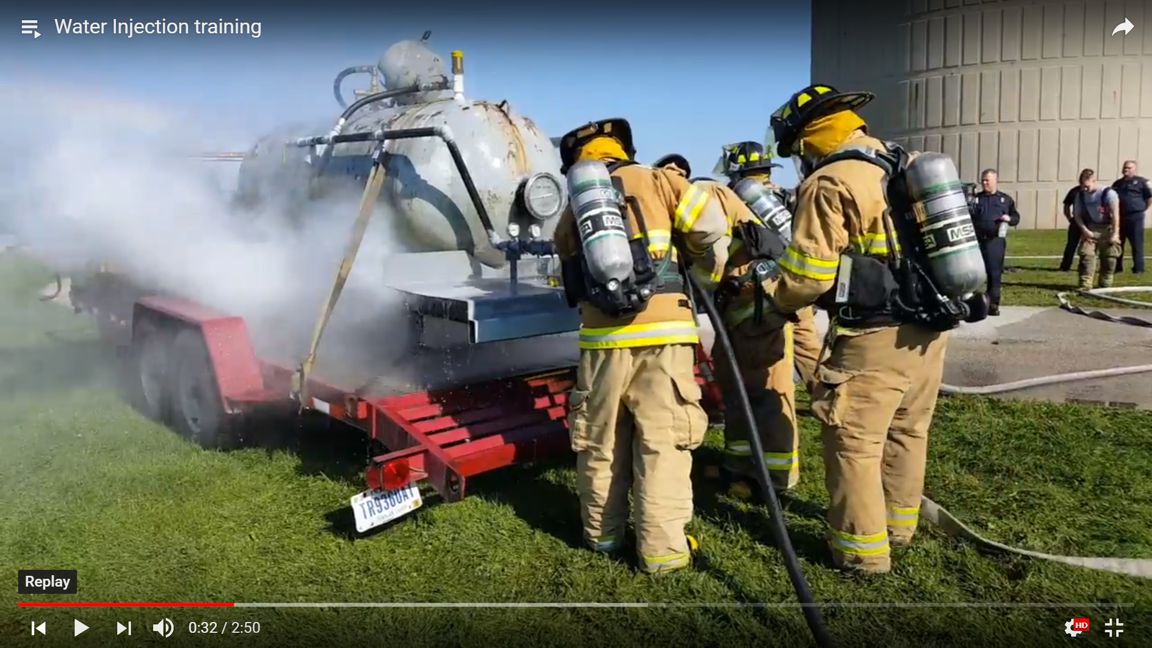
Emergency water injection is the process of forcing water into a propane tank or cylinder so the water settles below the liquid propane and can lift the propane above the leak opening. When enough water is introduced, the release may change from liquid propane to water, reducing vapor production.
A liquid propane leak can quickly create a large hazard area. Emergency water injection may provide responders with another option when normal flow-control methods are unavailable, damaged, or unable to stop the leak. It may help reduce vapor production, improve visibility, and support safer rescue and incident management.
Water is heavier than propane and sinks below the liquid product in the tank. As the water level rises, it pushes the propane upward. If the water level goes above the leak opening, the leak may convert to a water leak. The operation must be carefully controlled and monitored.
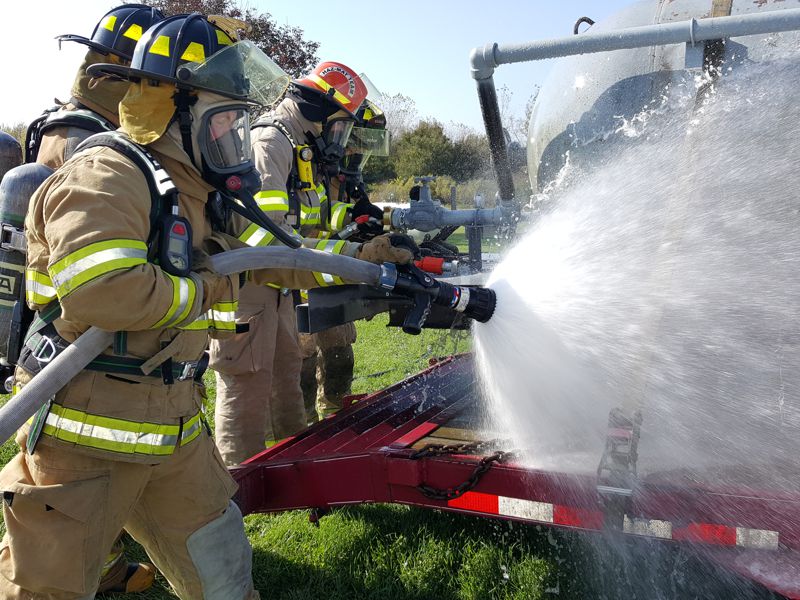
When used correctly by trained responders, water injection may convert a liquid propane leak to a water leak, reduce vapor production, improve visibility, support safer rescue operations, and create more time to stabilize the incident. It may also provide more options for containment or moving the container.
This tactic is not appropriate for every situation. Responders must evaluate tank position, product level, pressure, temperature, leak location, container condition, and available connection points. Water injection should not be used for relief valve operation with no liquid leak, to offload liquid propane from a vessel on its side, or when overfilling cannot be avoided.
Warm or hot water can cause tank pressure to rise quickly. Hose lines in the sun or water circulating through a fire pump can become hot. Flow enough water to clear warm water from lines and pump before connecting. Improper use can increase pressure, add stress to a damaged container, increase weight, or create a rupture hazard.
Liquid propane expands rapidly when released. A small amount of liquid can create a much larger vapor cloud. Propane vapor is heavier than air and can settle in low areas, move with wind, or travel along drainage paths. Reducing or stopping vapor production can be critical.
Injection points vary by container type and design. Cylinders, bobtails, transports, and bulk tanks may have different valve arrangements and connection points. Understand the tank design, fittings, and flow limitations. Never remove a plug with National Pipe Threads from a tank under pressure.
The amount of water depends on the size and capacity of the container, leak location, product level, and response objective. Some incidents may not require water injection. Understanding the tactic before an unusual incident occurs is essential.
Bobtail Liquid Leak — Water injection may be considered when a bobtail is upright, leaking liquid, and normal flow-control options are unavailable.
100-Pound Cylinder Leak — If the cylinder is a candidate, cool water may be injected while pressure and volume are closely monitored.
Propane is used in residential, commercial, agricultural, and industrial settings. Even departments that do not see many residential tank incidents may respond to bobtails, bulk transports, forklifts, food vendors, or alternative fuel vehicles. Consider whether water injection equipment belongs in your response capabilities.
A water injection kit should be portable, easy to store, and designed to work with common fire service and propane industry connections. It should allow responders to inject water while monitoring pressure throughout the operation.
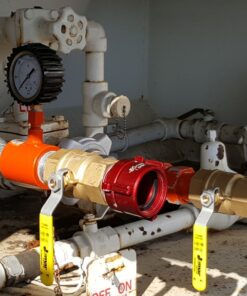
Recommended features may include fire and ACME thread connections, dual gauges, sizing to support a 1-inch flaring system, a back-check valve, a stress-reliever hose, and additional connection options for different propane response scenarios.
Emergency water injection should not be attempted without proper instruction. Responders need to understand propane behavior, tank pressure, liquid levels, valve systems, water temperature, flaring, pressure monitoring, and incident-specific hazards.
This information is only a 101-level overview. Any department that places a water injection kit into service should follow manufacturer instructions and receive training from a qualified instructor before use.
Emergency water injection should be considered only when conditions support the tactic and properly trained responders are on scene. A clear understanding of tank pressure, liquid levels, propane behavior, and equipment limitations is essential before using water injection during an emergency operation.
Disclaimer: This document is not intended to teach how or when to use water injection but to provide information at the 101 level. Emergency Water Injection will provide your department with response options that are unmatched with other tactics. If your department decides to purchase and put in service a water injection kit you must read and follow all the manufacturer’s instructions and receive training from a qualified instructor prior to it’s use.
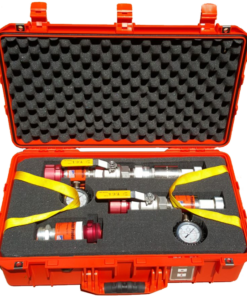
Response Kits
Learn how emergency water injection can support trained responders during certain liquid propane leaks, including vapor reduction, pressure monitoring, water placement, equipment setup, and incident-specific decision-making.
Practical training and equipment information for responders.
Hands on training for propane emergency response scenarios.